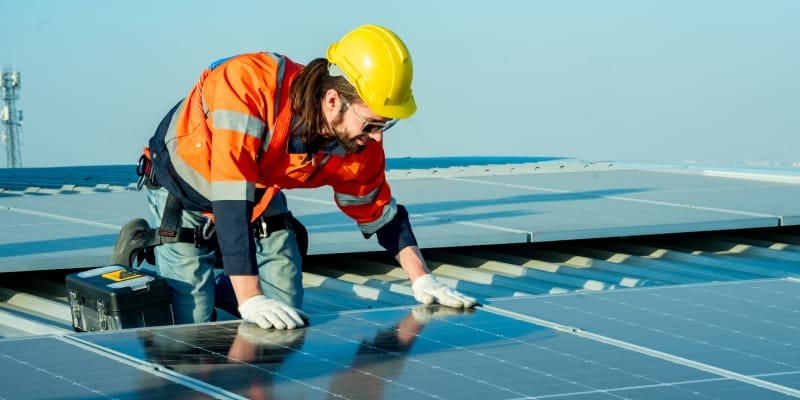
As a commercial property manager, your solar energy system represents a significant asset and a potential liability that you must oversee.
However, the critical infrastructure — the integrity of the solar mounting system — is often the component that falls outside routine maintenance checks, creating a hidden vulnerability.
While these systems are designed to meet structural and environmental standards, ongoing performance ultimately depends on how well they are inspected, maintained, and managed over time. In this context, partnering with reputed solar mounting structure manufacturers provides a strong, compliant foundation that performs best with regular inspections and proactive maintenance.
This guide outlines the framework for a systematic solar mounting system safety check — a critical form of risk mitigation, designed to protect your assets, ensure individual safety, and maximise financial returns.
Why Your Mounting System is a Critical Commercial Asset
Mounting system problems pose a direct threat to your asset's overall stability and the structural integrity of the mounting system.
By subjecting the system to environmental factors — from high wind loads and moisture intrusion to thermal expansion and debris impact — you are constantly stressing it, leading to material fatigue and degradation.
At the heart of this degradation lies moisture:
- It causes corrosion and rust, which paves the way for compromised structural integrity.
- This corrosion isn't just cosmetic — it leads to hardware failure that often occurs without warning, leaving you with a system of compromised structural problems.
Compromised attachment points can lead to mounting system failures and detachment during high winds — creating immediate safety hazards and extensive property damage.
- For commercial properties, these issues can lead to operational disruptions, safety concerns, and potential liability — putting your solar investment and overall return at risk.
Not only can a single component failure cause local damage, but it can also trigger a cascade of issues across the entire array — overloading neighbouring supports and compromising the whole system's integrity; this ultimately results in:
- Extended downtime
- Massive repair costs
- Even a complete system reinstallation
- Severe ROI impact
This is exactly the reason why implementing a systematic solar mounting system safety check is a critical risk mitigation protocol.
Now that we’ve understood the importance of a reliable mounting system, let’s move on to preparing for a safe and effective inspection.
Preparing for a Safe and Effective Solar Mounting System Safety Check
Safety is not a mere formality.
The non-negotiable priority for any solar mounting system safety check is to prevent possible accidents:
- Always follow the manufacturer’s instructions to safely power down your solar panels and inverter. This system power-down procedure is essential because it prevents electrical safety hazards during maintenance work.
- Equip yourself with the necessary personal protective equipment: insulated gloves, safety goggles, and non-slip footwear. If you are working on a roof, a safety harness is mandatory for added protection.
- While you might be eager to begin, conduct your inspection in the early morning during mild weather, and avoid windy, rainy, or snowy conditions. A thorough inspection calls for the right tools: binoculars for ground-level checks, a camera for documentation, and the maintenance log for your records.
For your visual inspection to be thorough and safe, these pre-maintenance preparation steps are essential. With them complete, you are now ready to proceed with the detailed check.
Also Read: Are Metal Roofs Noisy When It Rains? The Truth Unpacked
A Five-Point Visual Checklist for Mounting System Integrity
Solar mounting system safety check is a vital act of due diligence designed to identify potential failures before they escalate.
The safety check involves a detailed five-step visual inspection:
1. Structural Attachment Points
Focus your attention on where the mounting system connects to the building, as these points bear the entire load.
Be on the lookout for any signs of:
- Corrosion or rust around bolt heads
- Gaps between the mounting foot and the surface
- Visible soil erosion around the foundations of ground-mounted systems
This check provides operational reliability because it guarantees that the foundational supports — which your asset relies upon — are secure.
2. Mounting Hardware
Periodically inspect the mounting hardware to ensure it remains secure and structurally sound.
Using binoculars for roof-mounted systems, carefully look for any:
- Loose connections or bolts
- Cracks or fractures in metal components
- Areas where water might be ponding
These signs are evidence of stress and potential hardware failure.
3. Cables and Wiring
Ensure all wiring is managed correctly, as damage can compromise safety and performance.
Carefully check for any:
- Cables or wiring pulling tightly against hardware
- Signs of wear or fraying
This precise check for wear and tension is a fundamental code that keeps everything running — preventing electrical faults and maintaining system efficiency.
4. Environmental Factors
Give this step your utmost best instead of treating it as a quick clean-up.
- Remove any dirt, debris, or signs of vegetation encroachment that might affect the system's integrity — especially around ground-mounted supports and drainage paths. This plays a massive role in long-term asset preservation.
Updating your routine checks provides a better outcome because it guarantees that any accumulating threat is addressed promptly.
5. Maintenance Records and Documentation
This review completes your risk assessment framework.
There are a bunch of documents you should request at the start of your evaluation.
- Ask for the original engineering specifications.
- Review the maintenance records or log to confirm a history of proper care.
This documentation acts as social proof — left by previous inspectors — that your asset has been well-maintained.
The next step is to integrate these checks into a proactive maintenance schedule — let’s take a look at how to build a sustainable plan that protects your investment for years to come.
Best Practices for Long-Term Solar Mounting System Care
Establishing a consistent schedule transforms your solar mounting system maintenance from a reactive task into a strategic preventative maintenance plan.
This proactive maintenance plan allows your system's performance to flow seamlessly for years to come.
So, here comes a question — “What maintenance is required for solar systems?”
- Solar system maintenance is minimal by scheduling regular inspections and setting a reminder for biannual or annual inspections to ensure your system functions at peak efficiency.
- If the system is installed in an area with a high concentration of dust, pollen, or dirt, more frequent checks are recommended; for instance, 2 to 4 times/year.
- Furthermore, it is critical to conduct an inspection after major weather events affecting the system.
A key part of this ongoing care is clearing surrounding obstructions.
- Trim any trees or plants that may obstruct sunlight or drop debris onto the system — as this can affect performance and create moisture retention.
Document findings and actions during each inspection — an essential component of your risk mitigation strategy.
- Maintain a thorough maintenance records / log that includes the date of the inspection, timestamped photos of any potential issues, and all actions taken. This documentation is essential for tracking the system's performance over time and is vital for warranty claims or insurance purposes.
While your diligent checks are vital, it is equally important to recognise when an issue requires a specialised professional service.
- Red flags like visible cracks in hardware, significant corrosion, or compromised attachments should always trigger an evaluation by a qualified solar structural engineer.
Your role is to perform this proactive management — paving the way for the asset's protection until expert evaluation becomes necessary.
Protecting Your Asset and Maximising Your Solar Investment
By making routine preventive solar mounting system maintenance checks a standard practice, you:
- Actively safeguard your solar investment.
- Guarantee its long-term efficiency.
At MKK Metal Sections Pvt. Ltd — an experienced steel pipes manufacturer in Chennai — we help ensure your solar mounting systems are engineered for durability, corrosion resistance, and long-term operational reliability.
Connect with us today — protect both your assets and your returns!